New Zealand Seasonal Vegetable Guide for Chefs and Cafe Owners
A month-by-month guide to what's in season in New Zealand — potatoes, onions, brassicas, tomatoes, herbs and roots — and how to plan menus and ordering around it.
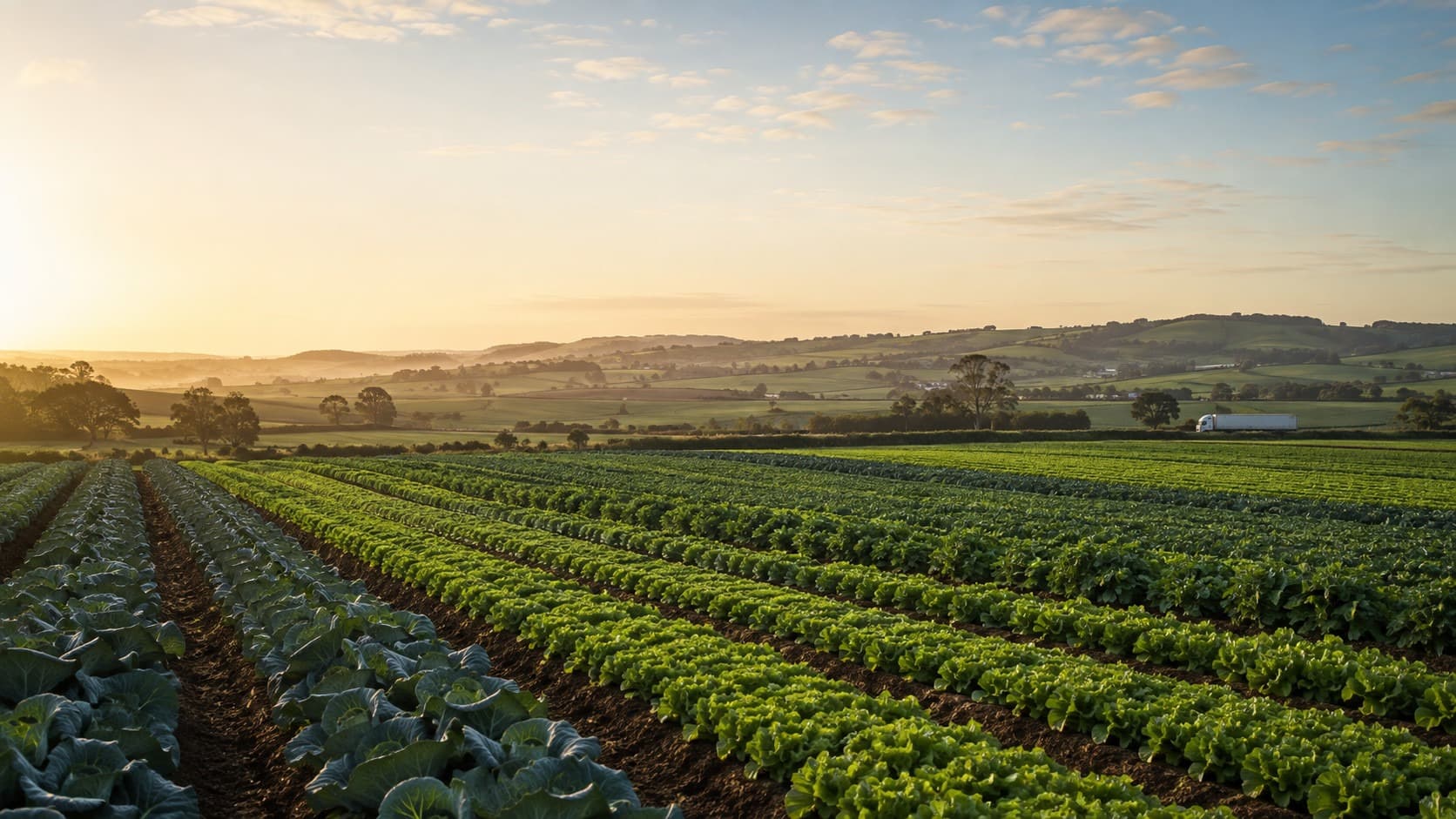
Seasonality in New Zealand is gentler than in colder countries — thanks to glasshouse growing and the mild Auckland climate, most core vegetables are available all year. But price and quality still swing with the seasons. Ordering with the calendar in mind keeps food costs down and produce at its best. This guide covers the lines a typical restaurant or cafe runs through every week.
Summer (December – February)
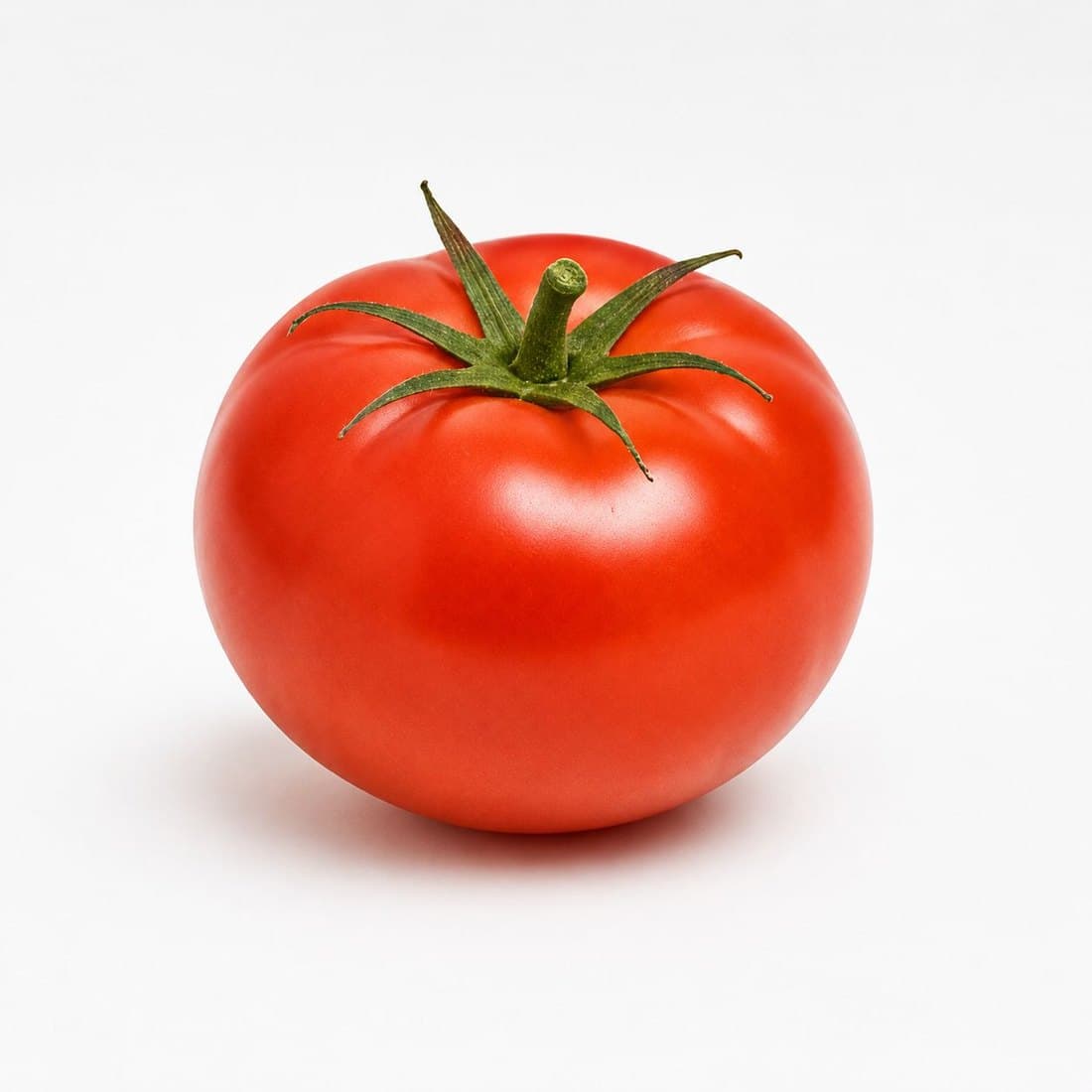
- Tomatoes and cherry tomatoes: peak flavour and best pricing. Put them on the menu.
- Cucumber and capsicum: abundant and good value from glasshouse growers.
- Herbs: coriander, mint, parsley and spring onion are plentiful.
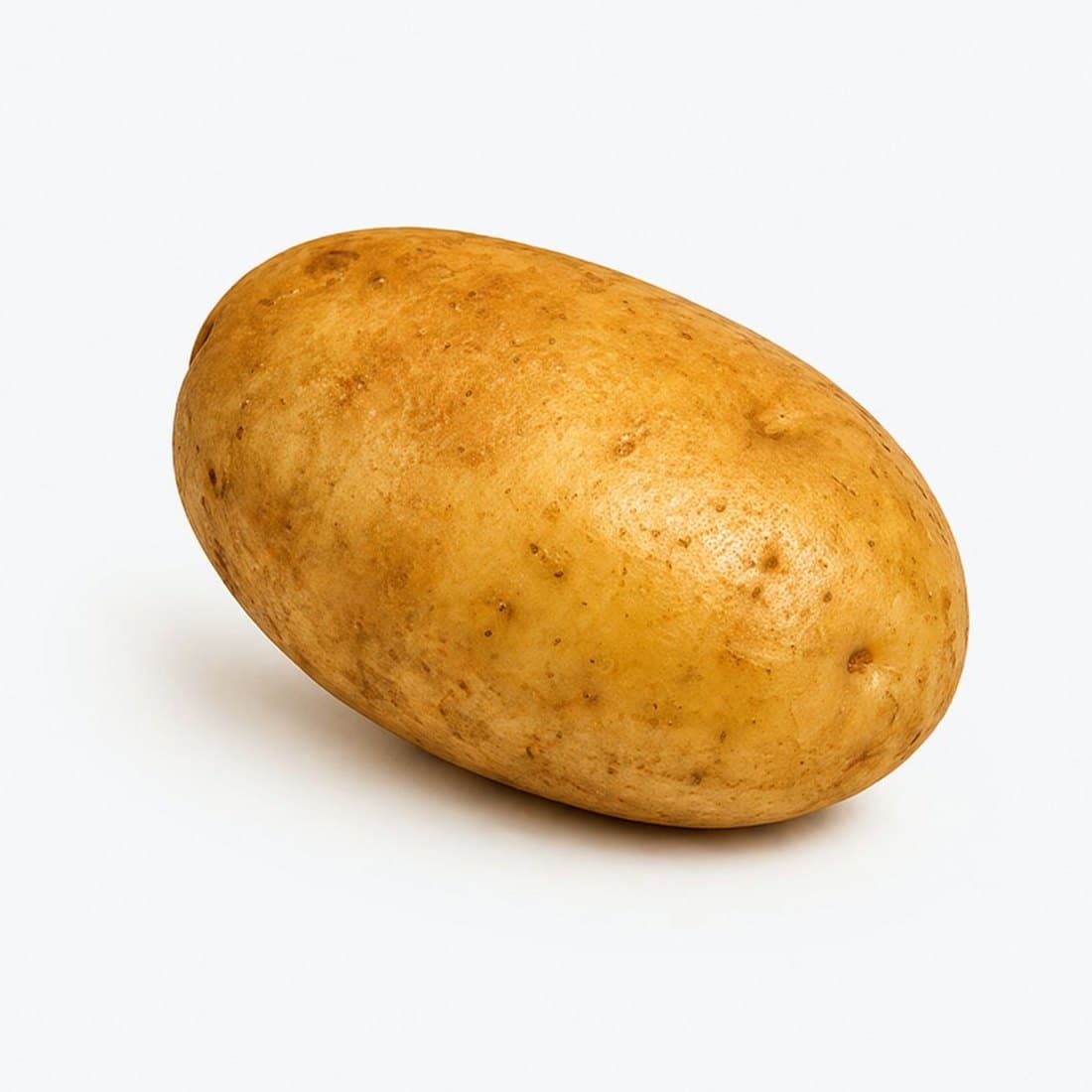
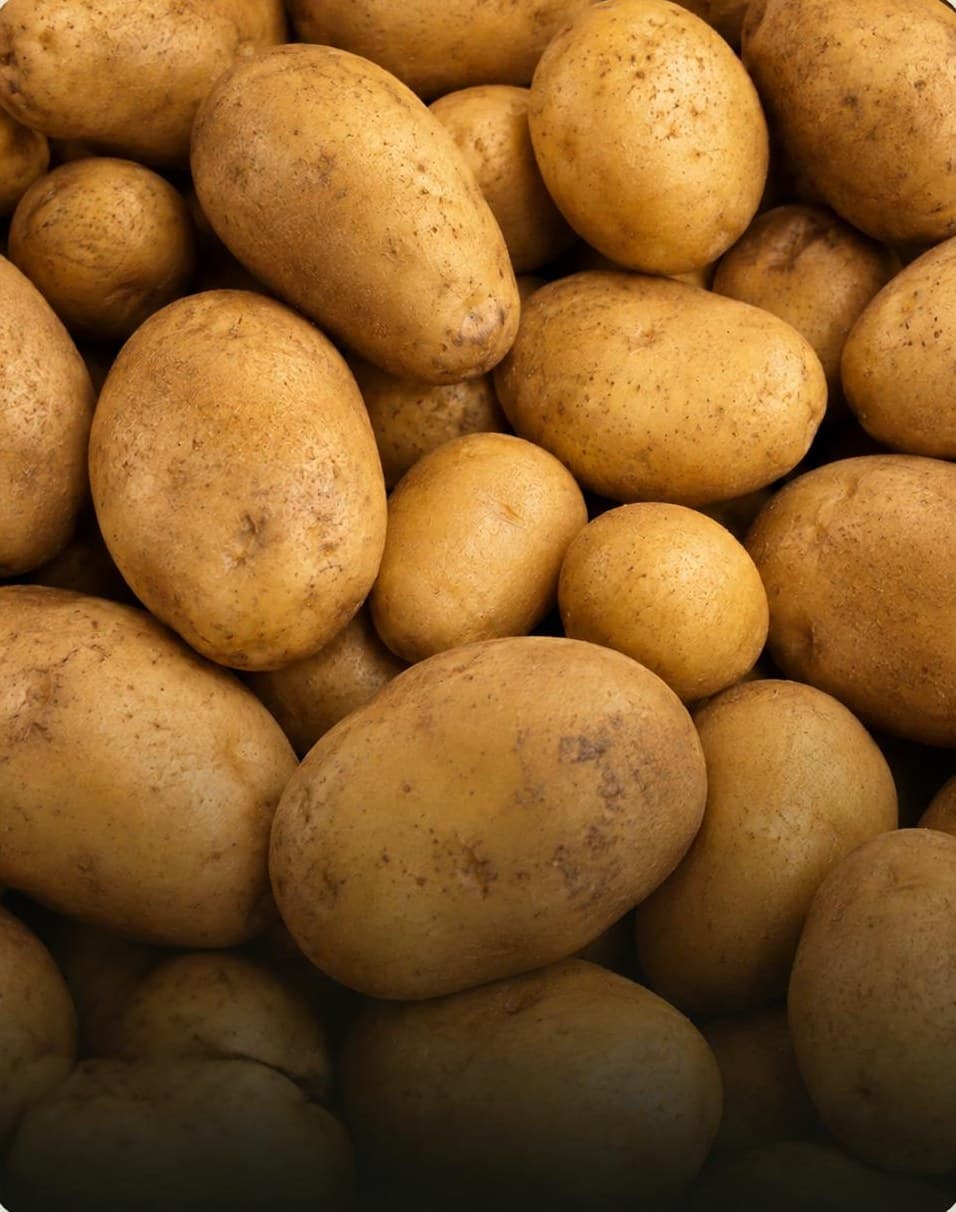
- Potatoes: new-season crop begins arriving from Pukekohe growers in late summer.
- Onions: new-season NZ onions are harvested from January onward.
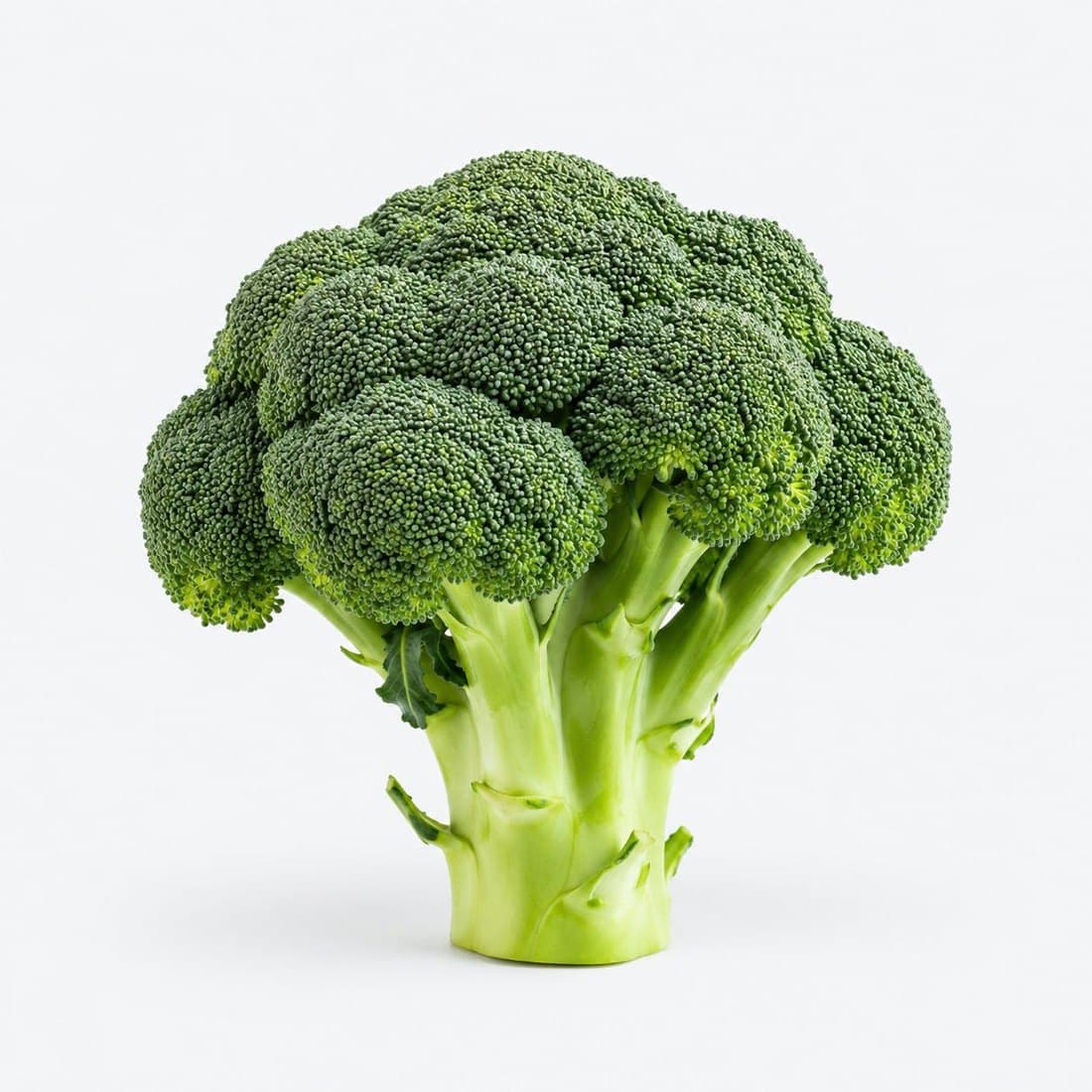
- Brassicas: available but at their most expensive — summer heat makes broccoli and cauliflower harder to grow well.
Autumn (March – May)
- Potatoes and onions: freshly harvested and cured — the best time of year for Agria and Pukekohe onions.
- Tomatoes and capsicum: still good value through March and April.
- Broccoli, cauliflower and cabbage: quality improves as temperatures fall.
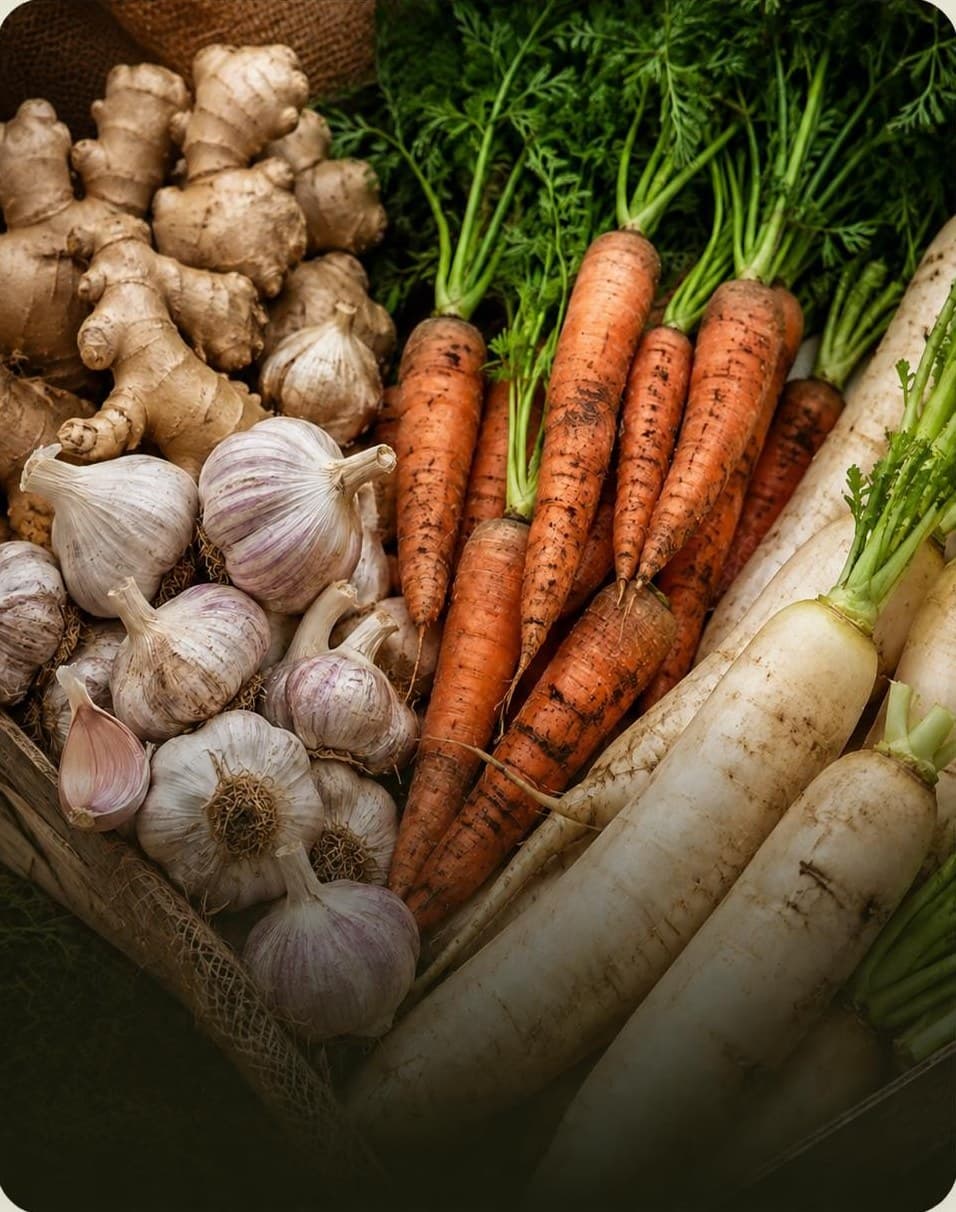
- Carrots: sweeten as the weather cools.
- Daikon: coming into its best season.
Winter (June – August)
- Brassicas: peak season. Broccoli, cauliflower and cabbage are tight, sweet and cheap.
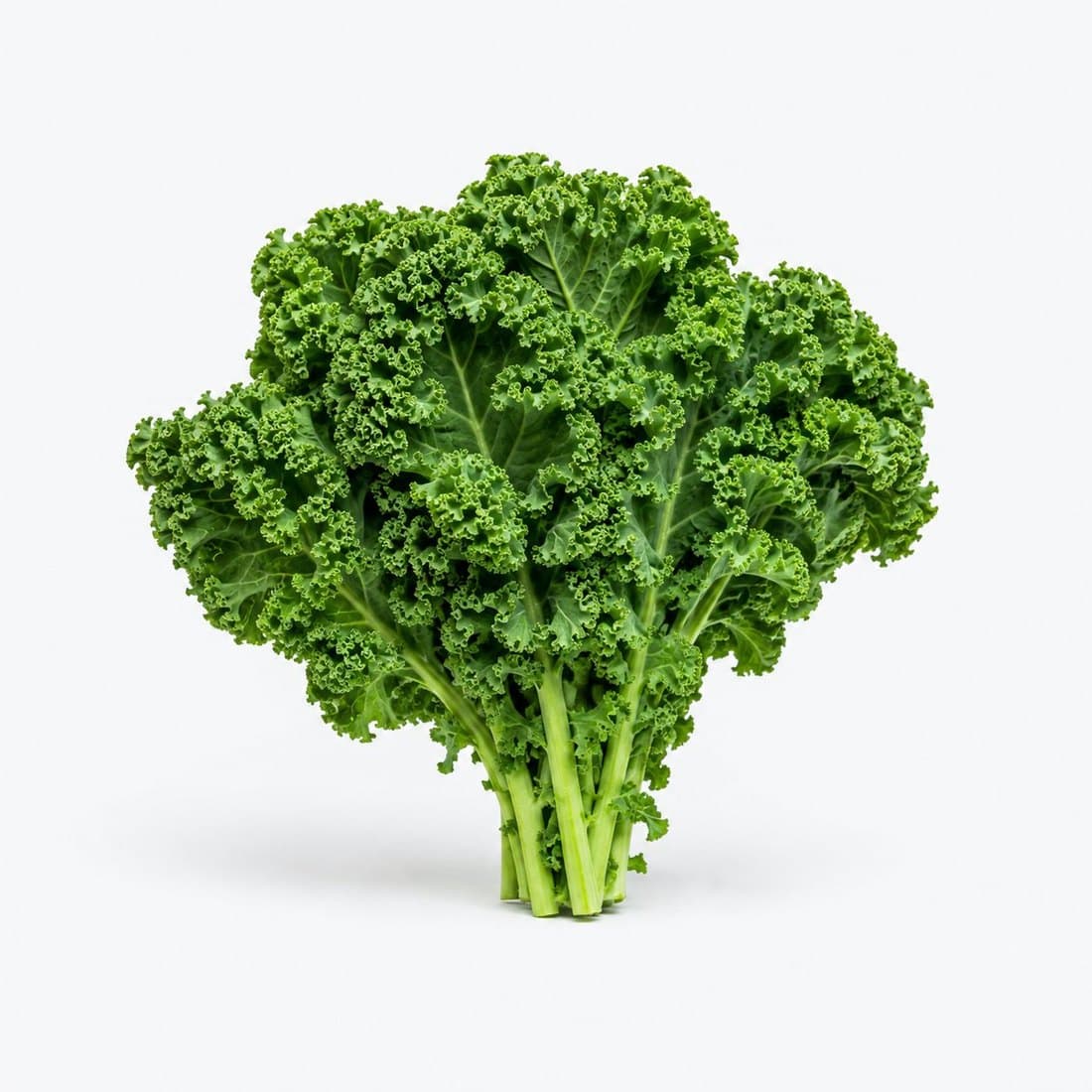
- Kale (curly and black), silverbeet and spinach: abundant and at their most tender.
- Carrots and daikon: firm, sweet and well priced.
- Tomatoes and cucumbers: available from heated glasshouses, but prices rise noticeably. Plan menus that lean on cooked tomato and stored lines.
- Potatoes and onions: from cured storage — quality is stable, pricing is steady.
- Herbs: supply tightens in the coldest weeks; coriander in particular can be short.
Spring (September – November)
- Spinach and leafy greens: excellent quality.
- Broccoli and cauliflower: still strong through early spring, pricing starts to lift by November.
- Herbs: recover quickly as days lengthen.
- Tomatoes: glasshouse pricing eases from October as light levels improve.
- Potatoes and onions: stored crop is at the end of its cycle — quality is checked case by case until the new season lands.
How to use this when ordering
- 1Build specials around what's peaking — winter brassica dishes, summer tomato plates.
- 2Move tomato-heavy items to cooked applications in winter, where the price premium matters less.
- 3Ask your supplier for the weekly price list and read it: a sudden jump usually means weather, not the supplier.
- 4Lock in standing orders for stored lines (potatoes, onions) — they're predictable all year.
Frequently asked
Are tomatoes available in New Zealand in winter?
Yes. New Zealand tomatoes are grown in glasshouses year-round, mainly around Auckland and the Waikato. Winter supply is reliable but priced higher because of heating and lower light, so many kitchens shift to cooked tomato dishes in the colder months.
When are Pukekohe potatoes harvested?
Main-crop potatoes in the Pukekohe region are harvested from late summer through autumn. They are then cured and stored in cool, dark conditions to supply kitchens for the rest of the year.
About the author
Satwant Singh founded VegieFresh in 2022 after more than a decade working hands-on in New Zealand kiwifruit orchards, onion and potato packhouses and the food-processing industry. He runs the Pukekohe depot and personally manages deliveries across Auckland and Hamilton. Read his story.